Every fit-out contractor has a story about the job that stopped on day two because someone lifted a floor tile or opened a ceiling void and found something they could not identify. In buildings put up or refitted before 2000, that is a predictable risk — and the refurbishment and demolition survey exists to remove it before work begins.
What makes it different
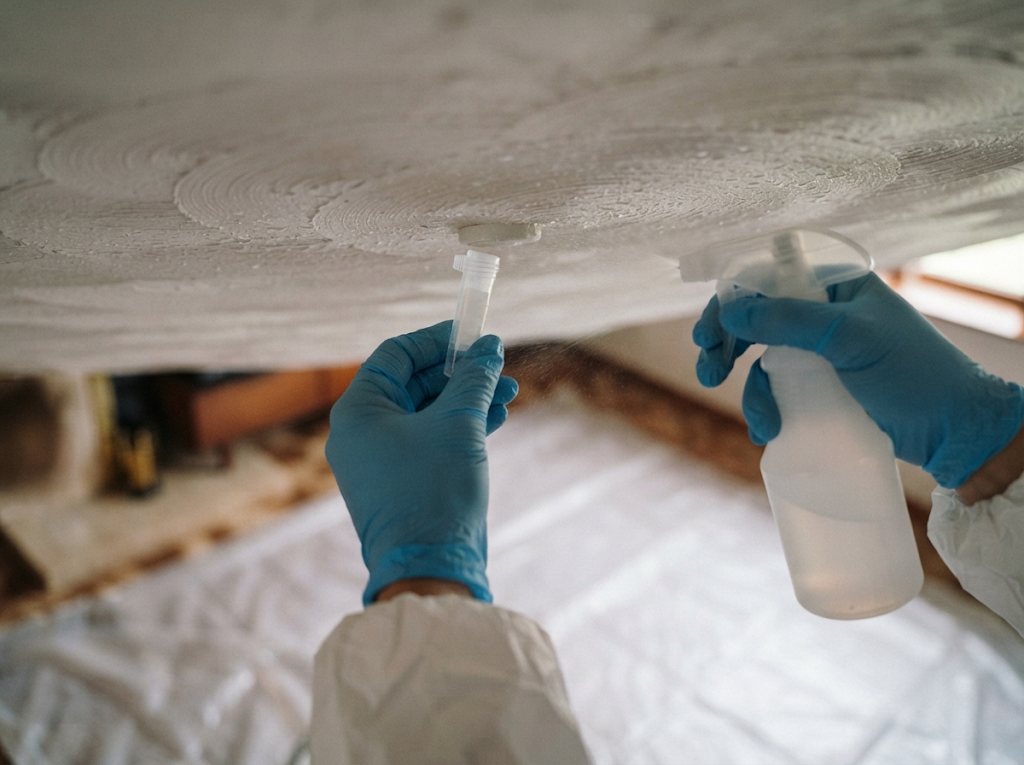
A management survey looks at a building in normal use. A refurbishment and demolition (R&D) survey is intrusive by design: the surveyor opens up the fabric in the areas being worked on — lifting floor coverings, looking above ceilings, behind panels and into risers — because that is exactly what the contractors will be doing. It is scoped to the works, not the whole building.
The legal position
Work that will disturb the fabric of a pre-2000 building cannot safely start in any area until that area has been surveyed and any asbestos found has been dealt with. The client and the principal contractor both have responsibilities here, so it pays to agree early who is commissioning the survey.
Keeping it off the critical path
Book the survey as soon as the scope is fixed, and give the surveyor drawings or a schedule of works so the inspection matches what will actually be disturbed. Make sure the areas are accessible and, where possible, vacant. With lab results back within 24 hours of sampling, the report can be in the site manager's hands before the programme starts — and if something is found, there is time to plan removal rather than stand the team down.
What to do with the findings
The report states what each material is, where it is and whether removal needs a licensed contractor or can be carried out as non-licensed work with the right controls. That lets you sequence removal ahead of the trades that would otherwise disturb it.
Related: Refurbishment & demolition survey for contractors · Industrial & warehouse survey